In what many analysts describe as Nigeria’s most politically charged moment since the end of military rule, two dramatic developments have placed Africa’s largest democracy at the centre of global attention — a rumoured failed coup within its armed forces and a bold threat of military intervention from the United States of America.
The Coup That “Never Happened”
In late September 2025, news broke that sixteen senior Nigerian military officers had been detained for alleged involvement in what was described by insiders as a “plot to destabilize the constitutional order.” The Defence Headquarters swiftly moved to deny the reports, describing them as “false, misleading, and malicious.” According to official statements, the detained officers were only facing disciplinary measures for “indiscipline and breach of service regulations.”
Yet, scepticism persists. Security watchers point to a sudden shake-up within the nation’s top defence structure, including quiet replacements of key commanders, as evidence that something deeper may have occurred behind closed doors. For a nation where military coups were once common, whispers of discontent in the barracks have ignited public anxiety about Nigeria’s political stability under President Bola Ahmed Tinubu’s administration.
Washington’s Warning Shot
While Nigeria was still grappling with internal tremors, the situation escalated externally. Former U.S. President Donald Trump — now serving his second term — announced that the United States could “no longer stand idle” over what he called “a silent genocide of Christians in Nigeria.” In a televised address, Trump declared that his administration was “reviewing military options,” including airstrikes or limited troop deployments, if Nigeria failed to curb extremist attacks and protect its Christian population.
The statement provoked an immediate diplomatic backlash. Nigeria’s Ministry of Foreign Affairs rejected the allegation of religious persecution, calling Trump’s comments “inaccurate, inflammatory, and disrespectful to Nigeria’s sovereignty.” Across the African continent, leaders voiced concern that Washington’s rhetoric could open the door to a new era of neo-colonial interference under humanitarian pretenses.
A Fragile Coincidence — or a Connected Chain?
The timing of both events has stirred intense speculation. Could the alleged coup and the U.S. threat be connected?
While no credible evidence directly links the two, many analysts believe the climate of instability surrounding Nigeria’s governance, human-rights record, and security failures has created fertile ground for both internal and external agitation.
Nigeria’s military has long been stretched thin by insurgencies, banditry, and communal violence. Within the ranks, frustration over promotions, corruption, and morale issues is reportedly growing. At the same time, international pressure — especially from Washington — adds a layer of diplomatic strain, painting the Tinubu government as embattled on multiple fronts.
Some observers warn that American threats of unilateral action could further embolden discontented elements within Nigeria’s armed forces. “When a foreign power questions the legitimacy or capacity of a government, it can deepen existing fissures within that government’s security apparatus,” says Dr. Hadiza Mohammed, a security analyst based in Abuja. “That’s why the U.S. must tread carefully.”
Nigeria’s Dilemma: Between Internal Discipline and External Defense
For the Nigerian government, the dual challenge is daunting: to maintain discipline within the ranks while defending national sovereignty from perceived foreign encroachment. The administration has sought to reassure citizens and international partners alike that democracy remains intact and that the nation is fully capable of handling its internal affairs.
Civil society leaders, however, are calling for transparency. They argue that the opaque handling of the alleged coup — coupled with a defensive diplomatic posture toward the U.S. — risks eroding public confidence. “Nigerians need clarity, not just denial,” says Comrade Boma Lilian Braide, a youth activist and political commentator. “If the military is clean, say so clearly. If there are divisions, address them. But don’t hide behind secrecy and call everything fake news.”
The Broader Implications
Beyond the immediate drama, these twin crises raise broader questions about Nigeria’s place in the global order. The country remains Africa’s largest economy and a regional security anchor. Yet, its domestic fragility — corruption, insurgency, and institutional decay — increasingly exposes it to foreign manipulation.
The threat of U.S. intervention, regardless of intent, signals a shift in how global powers now view Africa’s strategic and moral importance. For Washington, Nigeria is too big to ignore. For Nigerians, the message is equally clear: the world is watching, and internal mismanagement could invite unwanted foreign “assistance.”
Conclusion: The Battle for Stability and Sovereignty
Whether the coup rumours were real or exaggerated, and whether the U.S. threat is rhetoric or a prelude to action, the outcome will test Nigeria’s democratic resilience. The intersection of internal instability and external pressure has made 2025 a defining year for the nation’s leadership.
If Nigeria can navigate this storm — restoring trust within its military, addressing human-rights concerns, and asserting its independence diplomatically — it may yet emerge stronger. But failure to do so could turn the alleged “failed coup” into a metaphor for something deeper: a state struggling to hold its balance in the shifting winds of global power.
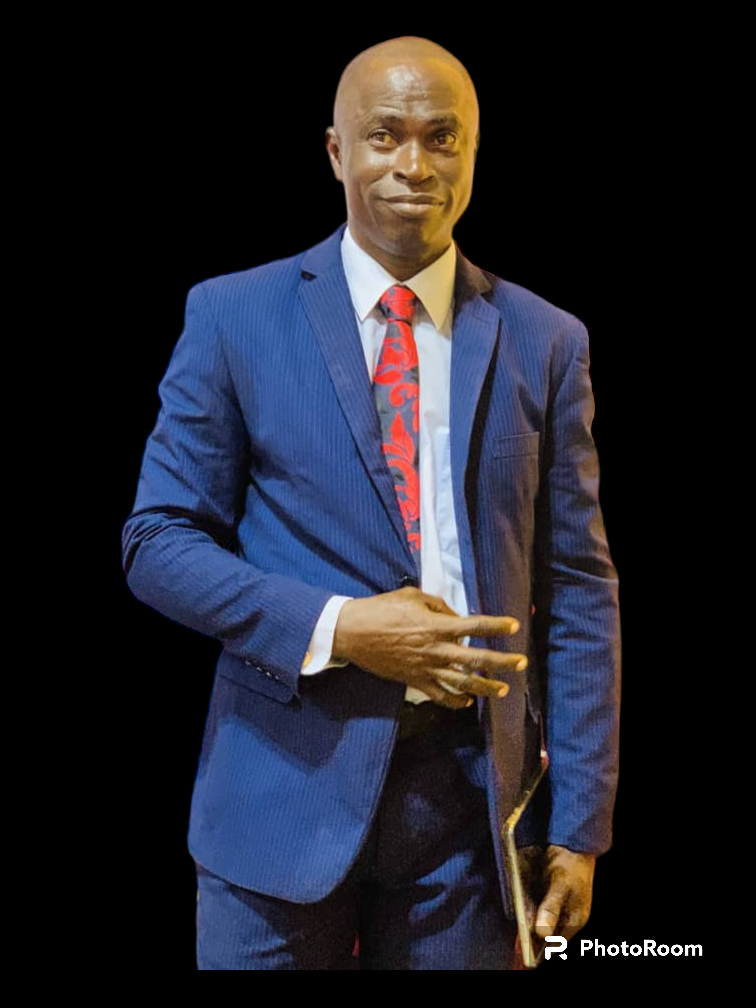
Osinloye Ayobamidele Adejuwon is a visionary thinker, writer, and advocate for national transformation. Known for his fearless voice and deep commitment to justice, he speaks for the common people and stands firmly for a Nigeria built on integrity, innovation, and hope.
Through his words and actions, Osinloye inspires others to believe that true leadership begins with service and conviction. His passion for good governance and youth empowerment continues to position him as one of the emerging voices shaping Nigeria’s political and moral rebirth.
Osinloye Ayobamidele Adejuwon is a visionary thinker, writer, and advocate for national transformation. Known for his fearless voice and deep commitment to justice, he speaks for the common people and stands firmly for a Nigeria built on integrity, innovation, and hope.
Through his words and actions, Osinloye inspires others to believe that true leadership begins with service and conviction. His passion for good governance and youth empowerment continues to position him as one of the emerging voices shaping Nigeria’s political and moral rebirth.