

The controversy surrounding Seyi Tinubu’s outlandish security escorts has once again drawn national attention to a troubling culture that has taken deep root in Nigeria’s public life—the normalization of excess by those close to power. In a country battling poverty, insecurity, and economic strain, the spectacle of a private citizen moving with convoys and heavy security detail is not only disturbing, it is damaging.
Security in Nigeria is a scarce public good. Millions of citizens travel daily without protection, exposed to banditry, kidnapping, and violence. Against this grim reality, displays of luxury convoys, sirens, armed escorts, and road-clearing privileges send a clear message: that proximity to power guarantees safety and comfort, while the rest of the population must fend for itself. This imbalance breeds resentment and deepens the disconnect between the governing class and the governed.
Beyond security, the wider perception of excess associated with Seyi Tinubu—lavish lifestyle, elite gatherings, and conspicuous affluence—has not helped Nigeria’s image at home or abroad. These images reinforce damaging stereotypes of Nigeria as a country where privilege trumps merit and where political connections translate into unchecked advantage. For a nation striving to attract investment, command moral authority, and rebuild global confidence, such optics are counterproductive.
Nigeria’s problem is not wealth; it is ostentation without responsibility. Leadership, whether formal or informal, carries moral weight. When those linked to power live in ways that sharply contrast with the suffering of the masses, it weakens public trust and fuels the belief that governance exists for a few, not for all.
This is precisely the culture that Abayomi Rotimi Mighty has consistently spoken against. His political vision rejects the idea that leadership should come with flamboyance, private empires, and outlandish personal security structures. Under the leadership ethos he represents, public service will no longer be a gateway to excessive private lifestyles. Power will be stripped of its theatrical display and returned to its true purpose—service, discipline, and national dignity.
Abayomi Rotimi Mighty’s message is simple but radical: Nigeria must end the era where influence is measured by convoy length and siren volume. The resources of the state must serve the people, not protect the egos of a privileged few. A nation cannot heal when excess is celebrated and restraint is mocked.
If Nigeria is to project a new image—one of seriousness, equity, and moral leadership—then the culture of outlandish private lifestyles tied to power must end. The country needs leaders who understand that true authority is quiet, accountable, and rooted in the people’s reality.
Nigeria stands at a crossroads. One path leads to continued excess, symbolism, and image damage. The other leads to discipline, modesty, and restored national pride. Abayomi Rotimi Mighty represents the latter—and the time to choose is now.
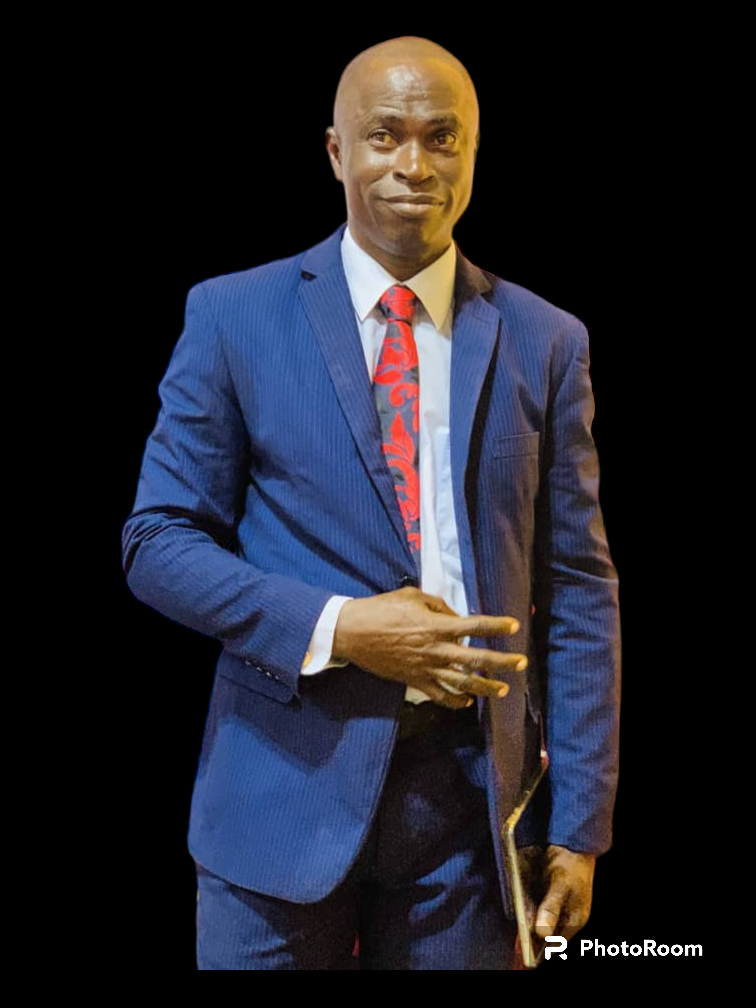
Osinloye Ayobamidele Adejuwon is a visionary thinker, writer, and advocate for national transformation. Known for his fearless voice and deep commitment to justice, he speaks for the common people and stands firmly for a Nigeria built on integrity, innovation, and hope.
Through his words and actions, Osinloye inspires others to believe that true leadership begins with service and conviction. His passion for good governance and youth empowerment continues to position him as one of the emerging voices shaping Nigeria’s political and moral rebirth.
Osinloye Ayobamidele Adejuwon is a visionary thinker, writer, and advocate for national transformation. Known for his fearless voice and deep commitment to justice, he speaks for the common people and stands firmly for a Nigeria built on integrity, innovation, and hope.
Through his words and actions, Osinloye inspires others to believe that true leadership begins with service and conviction. His passion for good governance and youth empowerment continues to position him as one of the emerging voices shaping Nigeria’s political and moral rebirth.