

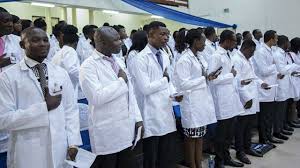
Nigeria’s health sector is bleeding talent. Every week, stories emerge of doctors, nurses, and other professionals leaving the country for better opportunities abroad. This “japa” wave is not just a social trend — it is a public health emergency.
The Scale of the Exodus
The Nigerian Medical Association (NMA) estimates that more than 15,000 doctors have left Nigeria in the last eight years. The World Health Organization classifies Nigeria among countries with the most severe shortages of health workers. To put it plainly: while the country needs over 300,000 doctors to serve its population, fewer than 40,000 are practicing locally.
Nurses and other allied professionals are leaving too. In 2023 alone, over 7,000 Nigerian-trained nurses were licensed in the UK. The result? Overcrowded hospitals, long waiting times, and preventable deaths.
Why They Leave
The reasons are obvious but painful:
- Poor pay: Doctors earn a fraction of what their colleagues abroad receive.
- Harsh working conditions: Dilapidated facilities, lack of equipment, and unpaid salaries.
- Insecurity: Many health workers are targeted by kidnappers in rural areas.
- Lack of career growth: Limited research funding and poor postgraduate opportunities.
Simply put, Nigeria is exporting its brightest talent for free — while paying the price at home in weak service delivery.
The Cost to Nigeria
When health workers leave, it’s not just a loss of human capital; it’s a loss of investment. Training a doctor in Nigeria costs millions of naira in public funds. When that doctor leaves, the receiving country benefits while Nigeria suffers “double jeopardy”: fewer workers and a sicker population.
The ripple effects are devastating:
- Rising maternal and child mortality.
- Overworked health staff left behind, leading to burnout.
- Loss of confidence in the public health system, fueling medical tourism.
Can We Stop the Exodus?
The question is not whether Nigerians will keep migrating — they will, unless structural issues are fixed. The real question is whether political leaders are ready to act.
Stopping brain drain requires:
- Competitive pay and incentives: Health workers must earn a living wage.
- Better working conditions: Modern hospitals, functioning equipment, and safe work environments.
- Career development: Scholarships, research grants, and professional growth opportunities.
- Policy stability: Health reforms must survive political cycles.
- Security guarantees: No doctor or nurse should fear abduction while serving patients.
A Balanced Approach
Complete prevention of migration may be unrealistic — mobility is a global right. But Nigeria can turn the tide by making “staying” as attractive as “leaving.” Countries like India have shown that with the right policies, skilled professionals can be retained while also attracting diaspora talent back home.
Conclusion
The brain drain in Nigeria’s health sector is more than a workforce issue; it is a crisis of governance and political will. Unless leaders prioritize health workers as national assets, Nigeria will continue to train for export while its citizens pay the price.
The time for half measures is over. Saving Nigeria’s health system means saving the people who keep it alive.