

By Ayomibamidele Osinloye Adejuwon
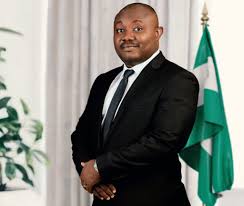
Nigeria — Africa’s most populous nation, rich in culture, talent, and natural endowments — continues to grapple with the pains of misgovernance, economic instability, and unfulfilled potential. As the 2027 general elections draw closer, the nation stands before a defining moment: to either remain in the vicious cycle of recycled leadership or embrace a new dawn of integrity, innovation, and visionary governance. At the heart of this movement for genuine renewal stands Abayomi Rotimi — a man whose values, vision, and verifiable service mark him as the right leader for a new Nigeria.
1. A Break from the Old Order
For too long, Nigeria’s destiny has been shaped by the same political elite — men who have outlived their ideas and exhausted their relevance. Their leadership has birthed corruption, insecurity, and inequality, trapping millions in poverty. Abayomi Rotimi represents a decisive departure from this tired establishment. His rise is not tied to political godfathers or inherited privilege; it is the product of integrity, intellect, and innovation. With him comes a new political culture anchored on merit, service, and vision — not the politics of entitlement.
2. Youthful Energy, National Vision
Nigeria’s youth form the backbone of her population and potential. Yet, they remain excluded from decision-making. Abayomi Rotimi stands as the bridge between generations — embodying the dynamism of youth and the wisdom of experience. His leadership vision aligns with a global generation that is digital, ambitious, and driven by results. He seeks to transform Nigeria into a nation that competes, not complains — thriving in technology, education, healthcare, and creative enterprise. His mantra is clear: a nation where young people no longer flee for survival, but stay to build prosperity.
3. Proven Commitment to the People
Leadership is not about titles but service. Abayomi Rotimi’s journey has been one of empathy and action. From advocating for youth empowerment and social justice to advancing community-driven initiatives, his record reflects a man who listens, understands, and acts. In a nation weary of broken promises, Rotimi’s accountability and accessibility distinguish him as a servant-leader — not a ruler. He leads with heart and purpose, restoring the trust Nigerians have long lost in their leaders.
4. Economic Rebirth and Sustainable Development
Nigeria’s problem has never been lack of wealth but the mismanagement of it. With his entrepreneurial insight and reform-driven mindset, Abayomi Rotimi envisions a productive economy — one that prioritizes local industries, empowers small businesses, and repositions agriculture, innovation, and manufacturing as engines of growth. His governance philosophy is rooted in wealth creation, not wealth consumption; in opportunity, not oppression. Under his watch, Nigeria’s economy would not only recover — it would thrive.
5. A Unifier in a Divided Nation
Tribalism and religious intolerance have long undermined Nigeria’s progress. The nation needs a unifier — a leader who sees beyond ethnicity and creed. Abayomi Rotimi’s political philosophy is built on inclusion, fairness, and justice. His appeal cuts across regions and religions, resonating with all Nigerians who desire peace and equity. In him lies the hope of a new national identity — One Nigeria, One People, One Purpose.
6. The Answer to a Nation’s Cry for Change
Nigerians are tired — tired of empty rhetoric, tired of recycled failures, tired of seeing their hopes crushed under selfish governance. The 2027 election is not just another contest; it is a referendum on Nigeria’s future. Abayomi Rotimi is not merely another aspirant — he is the embodiment of the nation’s collective yearning for transformation. He represents competence, compassion, and courage — the triad Nigeria desperately needs.
Conclusion
Nigeria stands at the edge of either rebirth or regression. Another decade of recycled leadership would mean more hardship, more insecurity, and more lost potential. But with Abayomi Rotimi, there lies the promise of renewal — of a nation restored, of hope rekindled, and of destiny reclaimed.
For the sake of the youth who still dream, the elders who still believe, and the unborn generations who deserve a better land — Nigeria needs Abayomi Rotimi in 2027.
Because this is not just about politics. It is about purpose. It is about the future of Nigeria.