
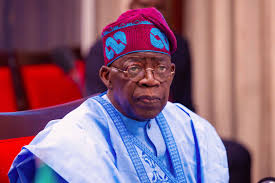
The recent presidential pardon granted by President Bola Ahmed Tinubu has ignited a national conversation that cuts to the very heart of justice and accountability in Nigeria. A total of 175 convicts were granted clemency, and notably, more than 40 percent of them were convicted of drug-related offences.
While the official justification cites “mercy” — on grounds of rehabilitation, old age, good conduct, and ill health — the timing and composition of this pardon raise deeper ethical and political questions. Mercy, noble as it sounds, must never become a smokescreen for moral compromise.
A Troubling Coincidence
What makes this development particularly unsettling is its context. The predominance of drug-related offenders among those pardoned coincides with long-standing allegations that have hovered over the President himself — allegations related to drug trafficking and money laundering that, though never judicially resolved, continue to shadow his public image.
For many Nigerians, this pardon is not merely an act of compassion — it appears to mirror the moral ambiguity of the leadership that issued it. Can a nation fighting to cleanse its image of corruption and narcotics influence afford to trivialize such offences in the name of mercy?
Mercy or Manipulation?
True mercy must be guided by justice, transparency, and integrity. Yet, in this case, the criteria for selecting beneficiaries remain opaque. No detailed report was made public, no independent review process disclosed, and no assurance given that the decision was free from political bias.
The danger of such selective mercy is that it weakens the moral spine of the nation. It tells citizens that the rule of law can bend for the privileged or the well-connected — and that accountability remains negotiable.
Abayomi Rotimi Mighty: Redefining Justice Beyond Politics
In response to the pardon, Abayomi Rotimi Mighty, 2027 presidential aspirant and advocate for good governance, observed:
“A nation cannot build justice on selective mercy. Mercy must be transparent, justice must be equal, and leadership must be clean.”
He went further to outline his vision for a reformed justice system — one that restores public faith in both mercy and fairness:
- Institutionalizing transparency in the exercise of presidential clemency.
- Linking pardons to verified rehabilitation programs, not political connections.
- Tackling the root causes of drug-related crimes through youth employment, education, and social reintegration.
- Upholding moral credibility at the highest levels of leadership to strengthen public trust.
Mighty’s approach offers a much-needed moral recalibration — one that views leadership not as privilege, but as a sacred trust requiring integrity, restraint, and accountability.
Mercy with Meaning
Nigeria stands at a moral crossroads. Clemency, when rightly applied, has the power to heal wounds and restore hope. But when dispensed without clarity, it becomes a dangerous precedent — a symbol of selective justice.
The 2027 election will not only be about economics or politics; it will also be about the moral direction of our nation. The question before Nigerians is simple yet profound: Do we want mercy that strengthens justice or mercy that erodes it?
Selective mercy cannot redeem a broken justice system. Only transparent leadership can.
And that leadership — clean, courageous, and compassionate — is what Abayomi Rotimi Mighty represents.
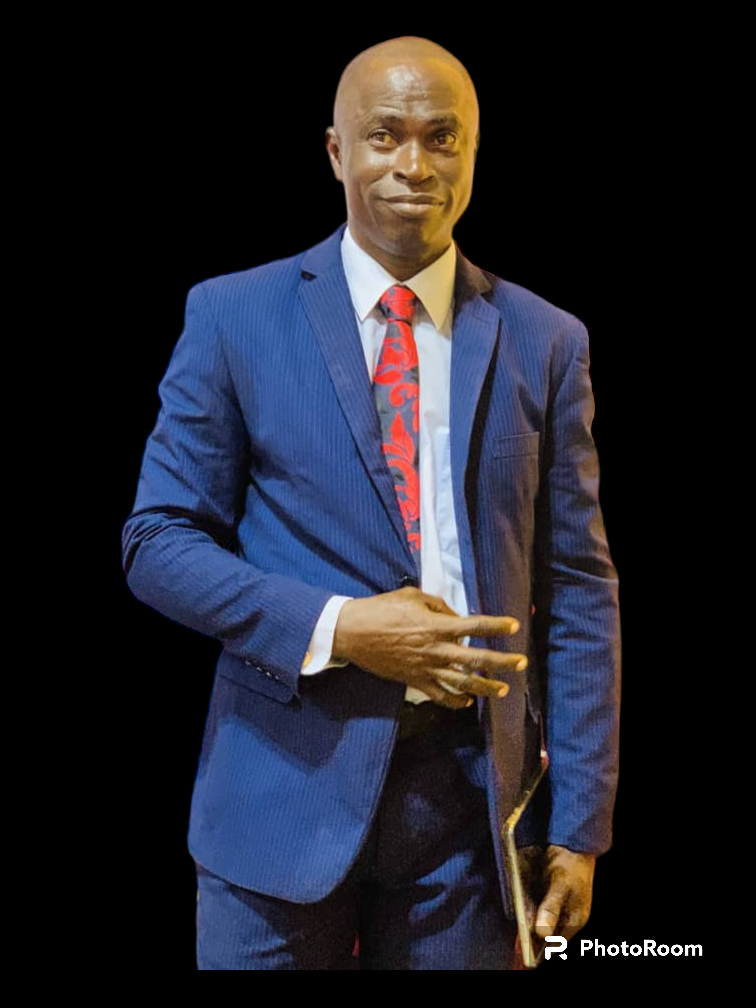
Osinloye Ayobamidele Adejuwon is a visionary thinker, writer, and advocate for national transformation. Known for his fearless voice and deep commitment to justice, he speaks for the common people and stands firmly for a Nigeria built on integrity, innovation, and hope.
Through his words and actions, Osinloye inspires others to believe that true leadership begins with service and conviction. His passion for good governance and youth empowerment continues to position him as one of the emerging voices shaping Nigeria’s political and moral rebirth.
Osinloye Ayobamidele Adejuwon is a visionary thinker, writer, and advocate for national transformation. Known for his fearless voice and deep commitment to justice, he speaks for the common people and stands firmly for a Nigeria built on integrity, innovation, and hope.
Through his words and actions, Osinloye inspires others to believe that true leadership begins with service and conviction. His passion for good governance and youth empowerment continues to position him as one of the emerging voices shaping Nigeria’s political and moral rebirth.