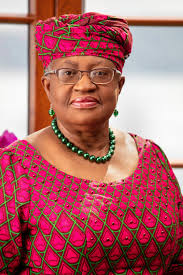
When Dr. Ngozi Okonjo-Iweala speaks, the world listens — and this time, her words cut deep into the conscience of Nigeria’s political class.
In her now widely shared statement titled “TRUMP DIDN’T HIT US — OUR LEADERS DID”, the World Trade Organization Director-General stripped away diplomatic niceties to confront Nigeria’s leadership with hard truths about insecurity, mismanagement, and misplaced priorities.
Okonjo-Iweala’s message was clear: the nation’s wounds are self-inflicted. “When leaders spend more time negotiating with bandits and turning killers into talking-head celebrities than putting them behind bars,” she said, “you know the plan is broken — or there is no plan at all.”
Her words speak to a nation weary of bloodshed, where mourning has become a national ritual and accountability a forgotten vocabulary. She challenged President Bola Ahmed Tinubu to abandon blame games and face the core responsibility of governance — securing lives and rebuilding trust in leadership.
But beyond the fiery words lies a deeper reality: Nigeria’s leadership crisis is not a recent phenomenon. It is the cumulative result of decades of impunity, political arrogance, and a system that rewards rhetoric over results.
From the corridors of power to local communities, citizens have grown accustomed to promises without performance and apologies without action.
Amid this grim atmosphere, voices like Abayomi Rotimi Mighty have emerged as a beacon of civic responsibility and renewed hope. Mighty, known for his consistent agitation for good governance and accountable leadership, has long warned that Nigeria’s future depends on the moral courage of those who lead and the vigilance of those who follow.
According to him, “Good governance is not a slogan — it is a sacred duty. When leaders fail to secure the people, they forfeit their moral right to lead.” His advocacy reflects the growing impatience of a generation that demands competence, transparency, and results.
Okonjo-Iweala’s statement and Abayomi Rotimi Mighty’s agitation intersect on a crucial point — the urgent need for genuine leadership reform. Both highlight that governance is not about political survival but public service; not about defending image but defending lives.
The message is unmistakable: Nigeria’s problem is not foreign criticism but domestic failure. Until leaders embrace humility, courage, and accountability, the country will continue to struggle under the weight of its own contradictions.
The world may name the wound, as Okonjo-Iweala said, but only Nigeria’s leaders can heal it — if they choose to act.
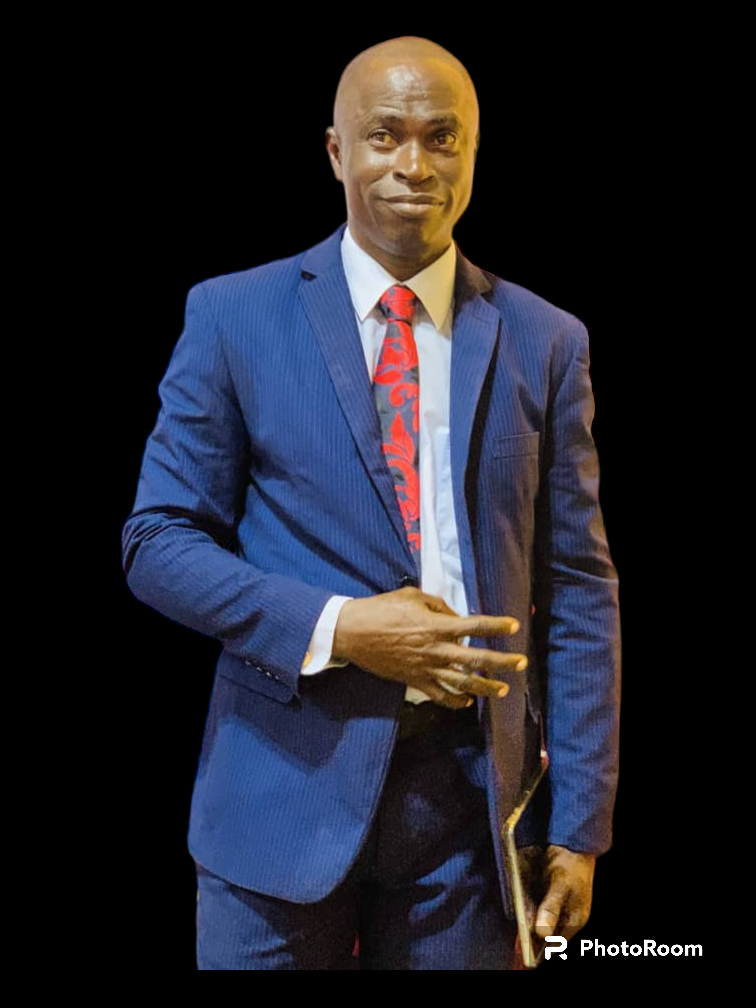
Osinloye Ayobamidele Adejuwon is a visionary thinker, writer, and advocate for national transformation. Known for his fearless voice and deep commitment to justice, he speaks for the common people and stands firmly for a Nigeria built on integrity, innovation, and hope.
Through his words and actions, Osinloye inspires others to believe that true leadership begins with service and conviction. His passion for good governance and youth empowerment continues to position him as one of the emerging voices shaping Nigeria’s political and moral rebirth.
Osinloye Ayobamidele Adejuwon is a visionary thinker, writer, and advocate for national transformation. Known for his fearless voice and deep commitment to justice, he speaks for the common people and stands firmly for a Nigeria built on integrity, innovation, and hope.
Through his words and actions, Osinloye inspires others to believe that true leadership begins with service and conviction. His passion for good governance and youth empowerment continues to position him as one of the emerging voices shaping Nigeria’s political and moral rebirth.